{{ 'fb_in_app_browser_popup.desc' | translate }} {{ 'fb_in_app_browser_popup.copy_link' | translate }}
{{ 'in_app_browser_popup.desc' | translate }}
| Seedling, Planting, and Harvesting All From Our Exclusive Farm |
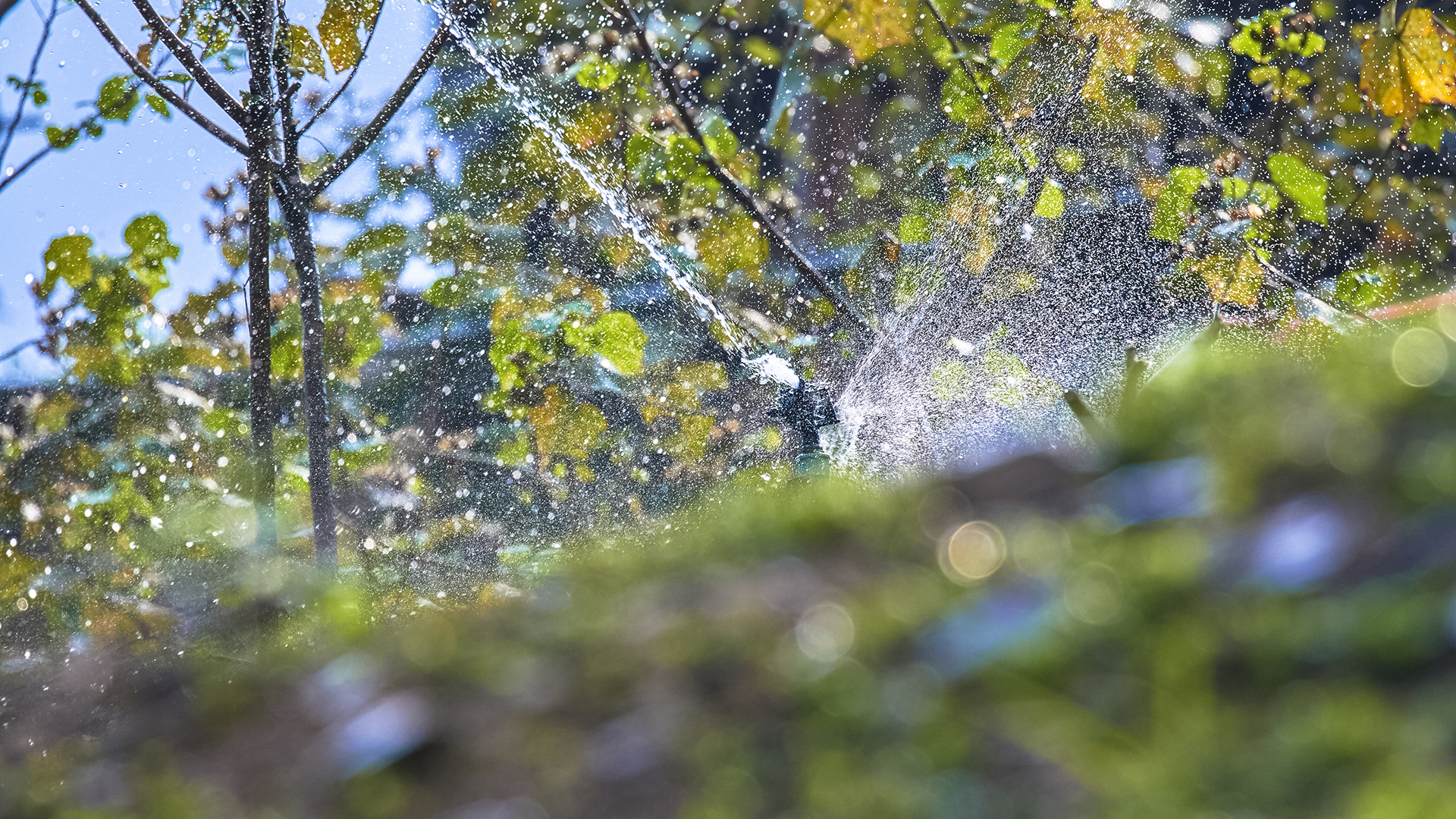
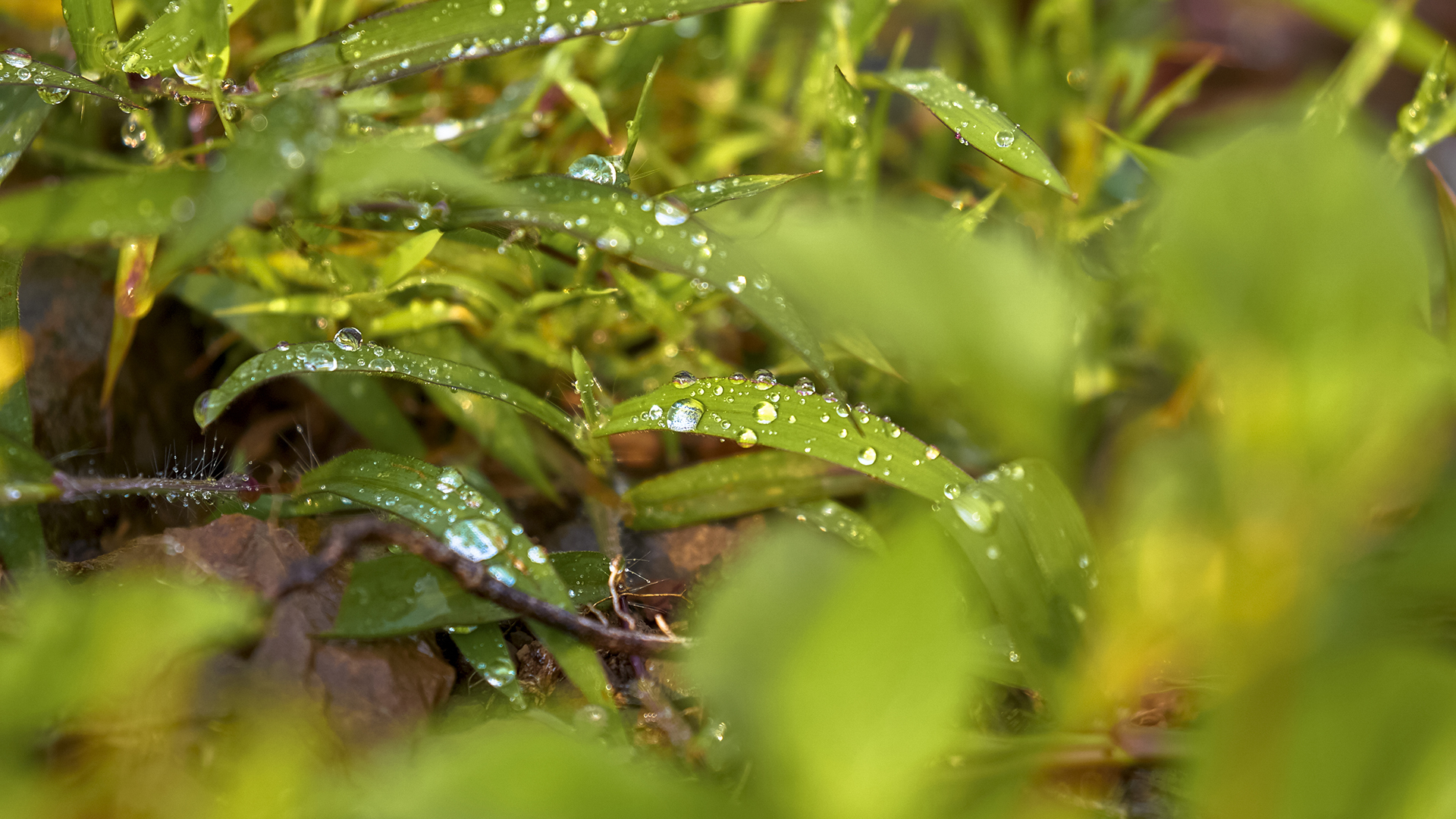
Spring equinox is the season to prepare seedlings for outdoor transplantation, and it’s when the Hibiscus babies start to stretch their roots. From planting to harvesting, JARIO offers the most natural and effective Hibiscus Complex Extract.
| Hibiscus Has Many Plant Sources |
There are over 30 varieties of Hibiscus, each with vastly different effects.
The active ingredients of Hibiscus are highly sensitive to the environment, including climate, soil, altitude, humidity, and temperature, resulting in significant differences in efficacy. Hibiscus prefers sunny, high-temperature environments, and the length of the cultivation period affects its potency. Through long-term research, we’ve selected superior varieties and established high-quality, high-yield cultivation techniques.
At our farm, every plant has its unique purpose and wonder. We live in harmony with nature, respecting and learning from it. All life is equal, whether human or plant.
| Rich Ecosystem and Species at Our Farm |
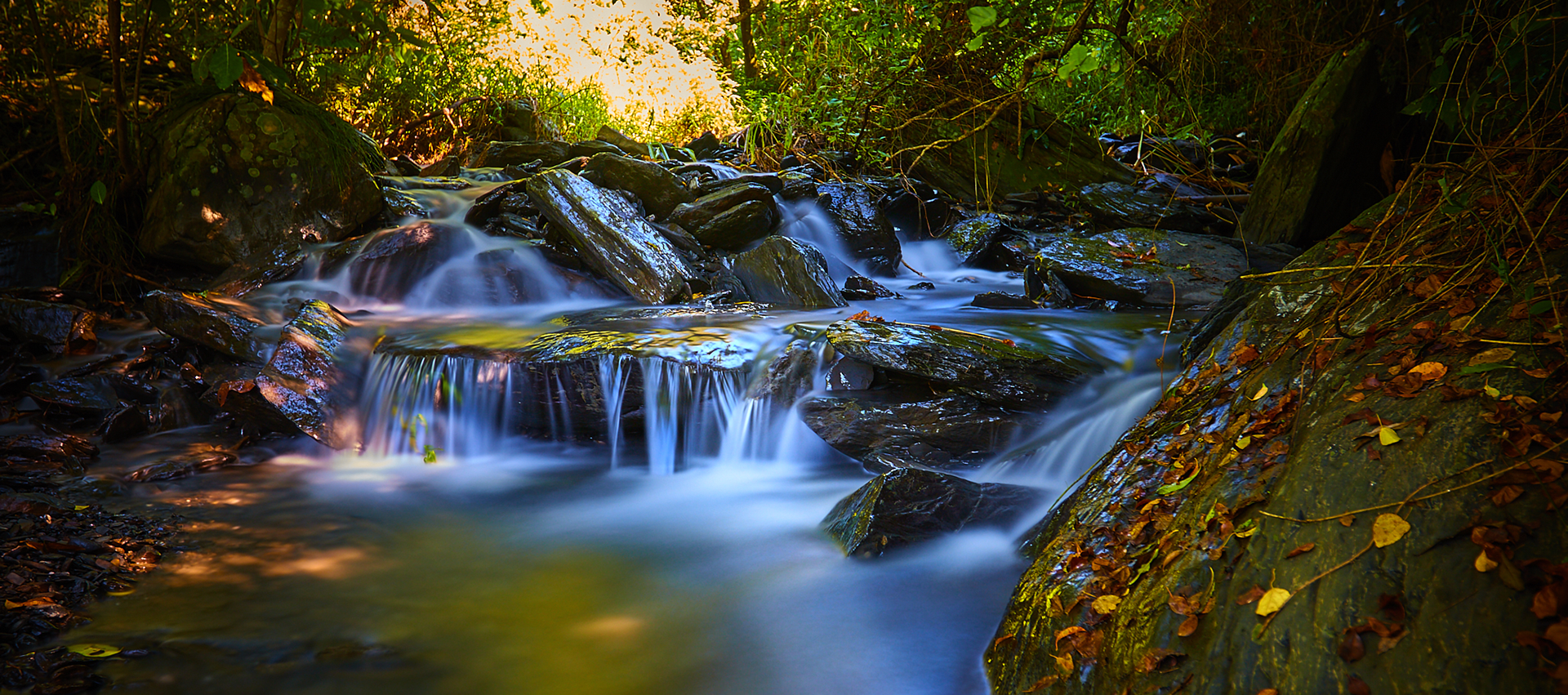
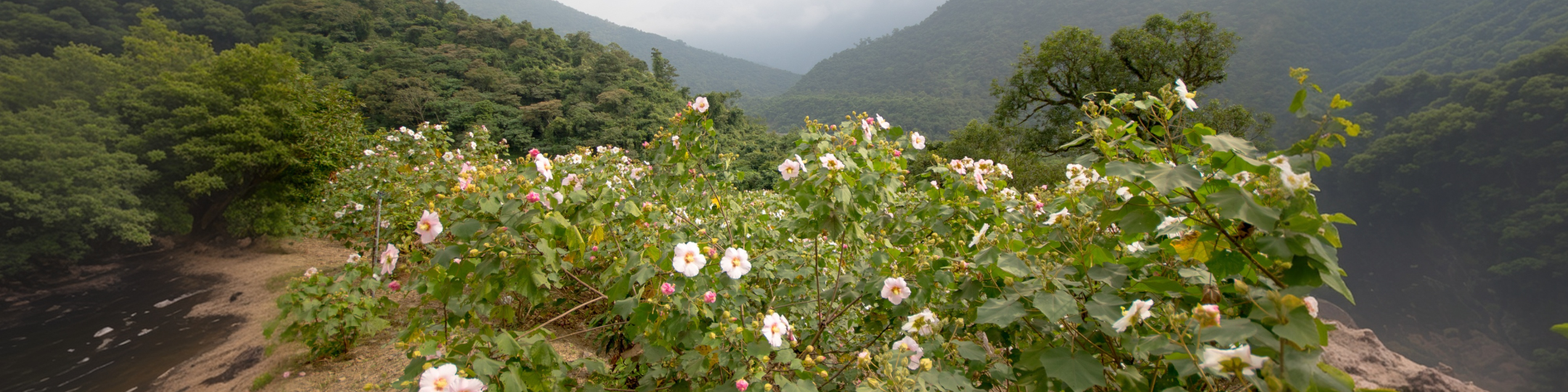
Since 2001, our farm has been nestled in the mountains of Pingtung. Due to the terrain, the farm remained isolated. As the company expanded its cultivation area, we discovered a hidden stream around our farm, which was a delightful surprise.
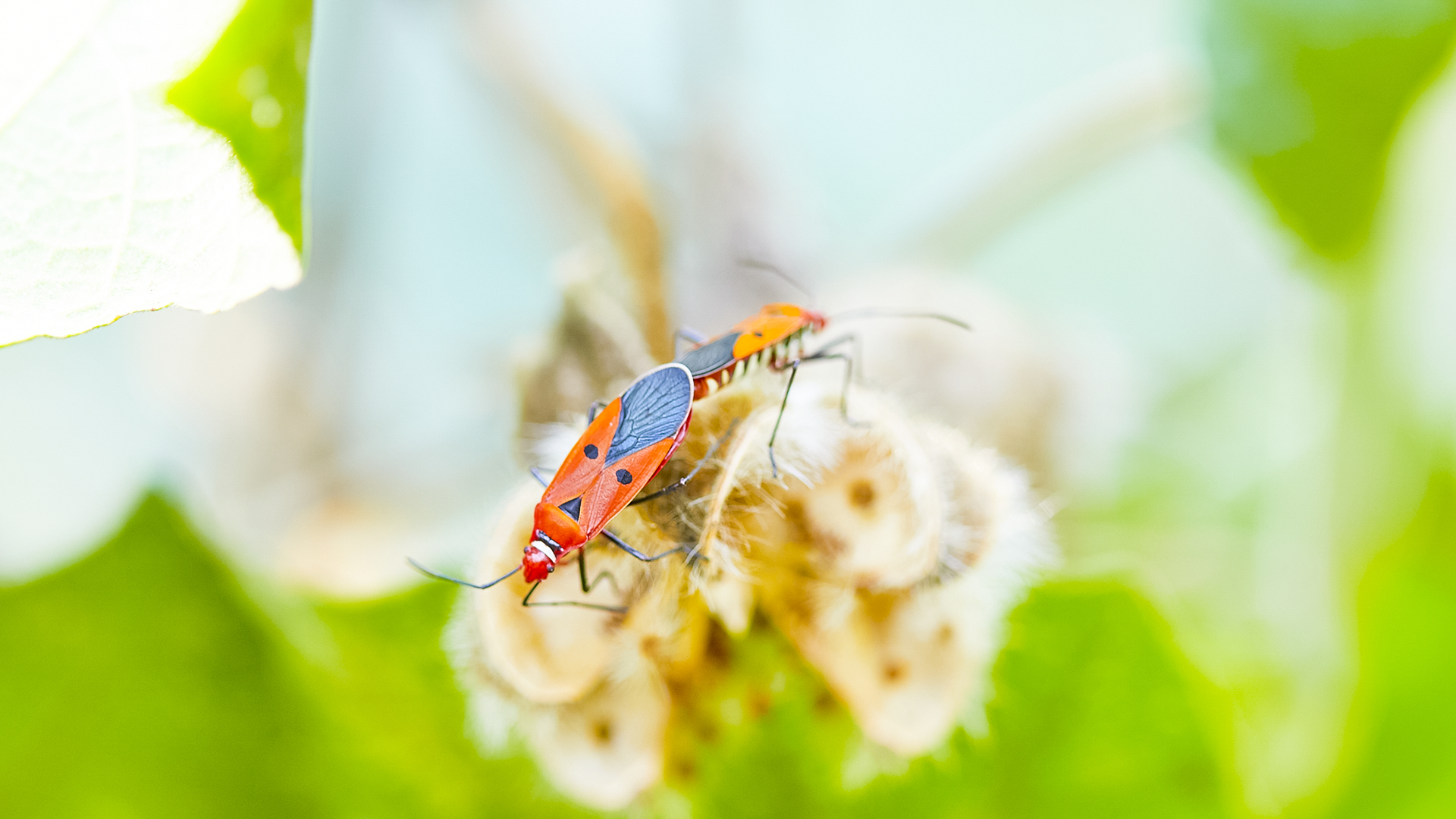
| Red Cotton Bug (Dysdercus cingulatus) |
A member of the family Pyrrhocoridae, it has a body length of 13–18 mm. The head and pronotum are orange-red with white horizontal stripes on the neck, and black spots in the center of each forewing. It’s commonly found in low-altitude areas, particularly on plants in the Malvaceae family such as Roselle, Wild Cotton, and Hibiscus. The adults feed on fruit, stems, and leaves. At our farm, they are often seen mating or feeding on Hibiscus plants.
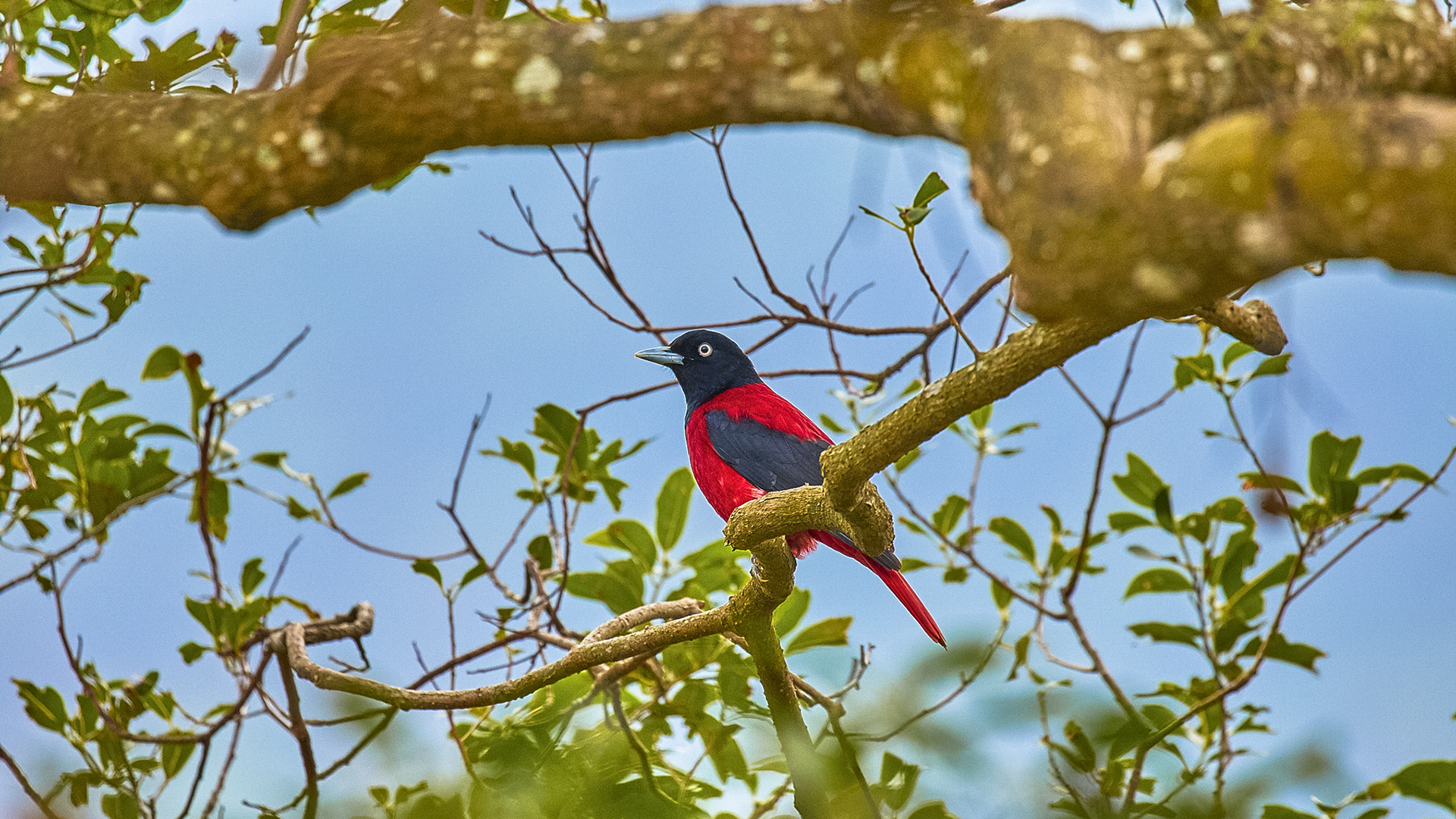
| Maroon Oriole—A Rare Endemic Bird of Taiwan |
Scientific name: Oriolus traillii
English name: Maroon Oriole
The Maroon Oriole, the county bird of Hualien, is an endemic subspecies of Taiwan and is classified as an endangered species. It is one of the eleven endangered bird species in Taiwan. Measuring around 28 cm in length, it belongs to the Oriolidae family and has striking, vivid colors—red, black, and beautiful—making it a favorite among bird enthusiasts in Taiwan.
When Robert Swinhoe (1836–1877), a great British naturalist of the 19th century and a pioneer in Taiwan's natural history, discovered this bird in 1862, he described it as the most beautiful bird in Taiwan. At Bai Cao He Biotechnology’s mountain farm, a pair of Maroon Orioles is often spotted on the trees near the entrance. Other species like the Five-colored Barbet and the Red-billed Starling can also be found at our farm.
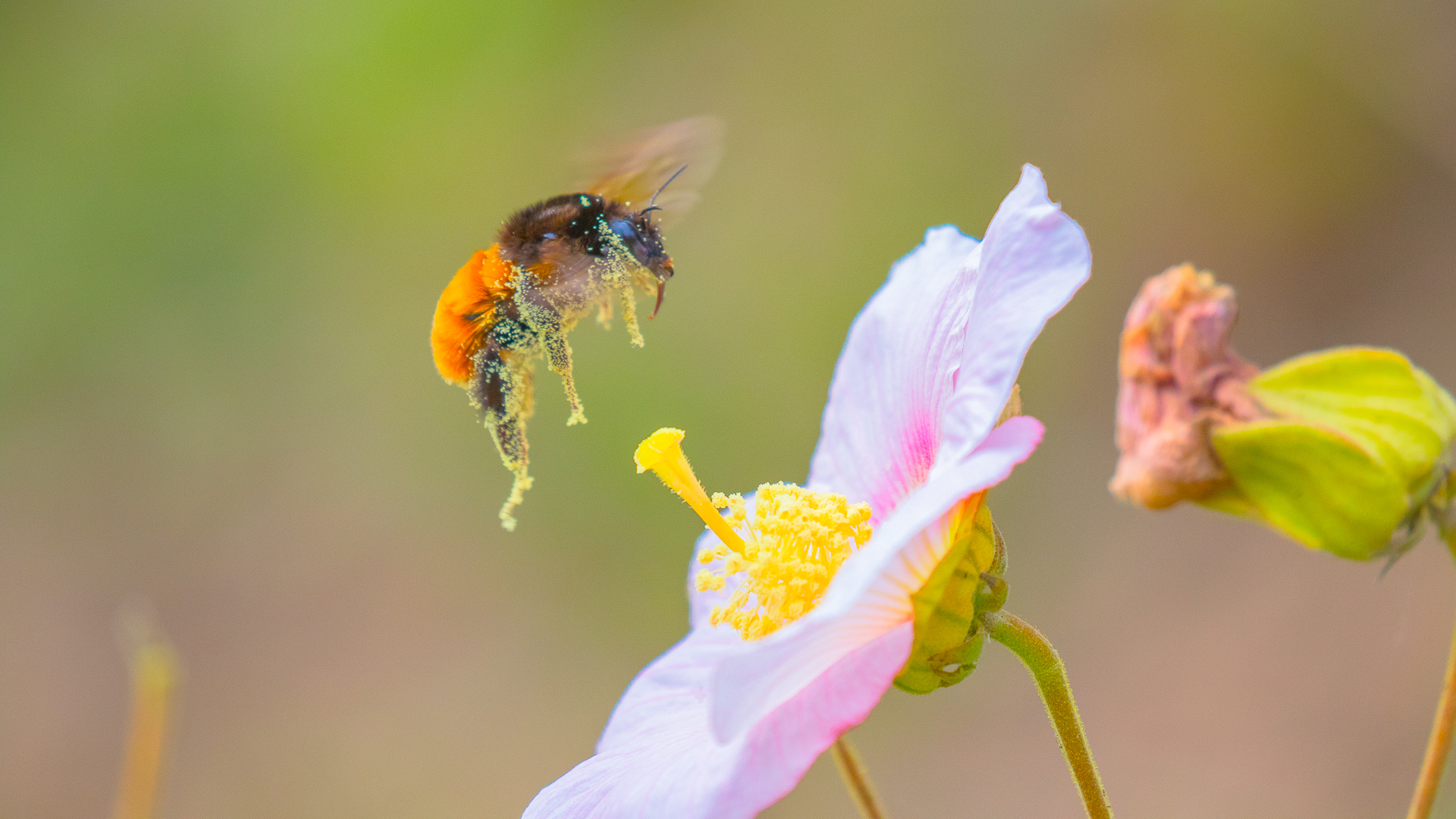
| Bumblebee (Bombus Spp.) |
Bumblebees belong to the bee family. They commonly nest in dead wood or buildings and feed on pollen and nectar. Bumblebees differ from honeybees in several ways, such as having spurs on their hind legs. Like honeybees, bumblebees are social insects. By late autumn or early winter, all colony members die except for mated queens, which survive the winter. Bumblebees are large, and four common species in Taiwan include the two-colored bumblebee, selected bumblebee, yellow bumblebee, and Wilson's bumblebee. Their heads and thoraxes are covered with black fuzz, their abdomens have yellow-orange bands, and their legs are black with yellow-brown tarsi. They emit a loud, low-frequency buzzing sound while flying, which can be quite intimidating.
From the comparison with the Hibiscus flower, it is evident that bumblebees are quite large, about 2.5–4 cm in size. During the Hibiscus blooming season at the end of the year, they can be seen moving around the Hibiscus flowers throughout our farm.
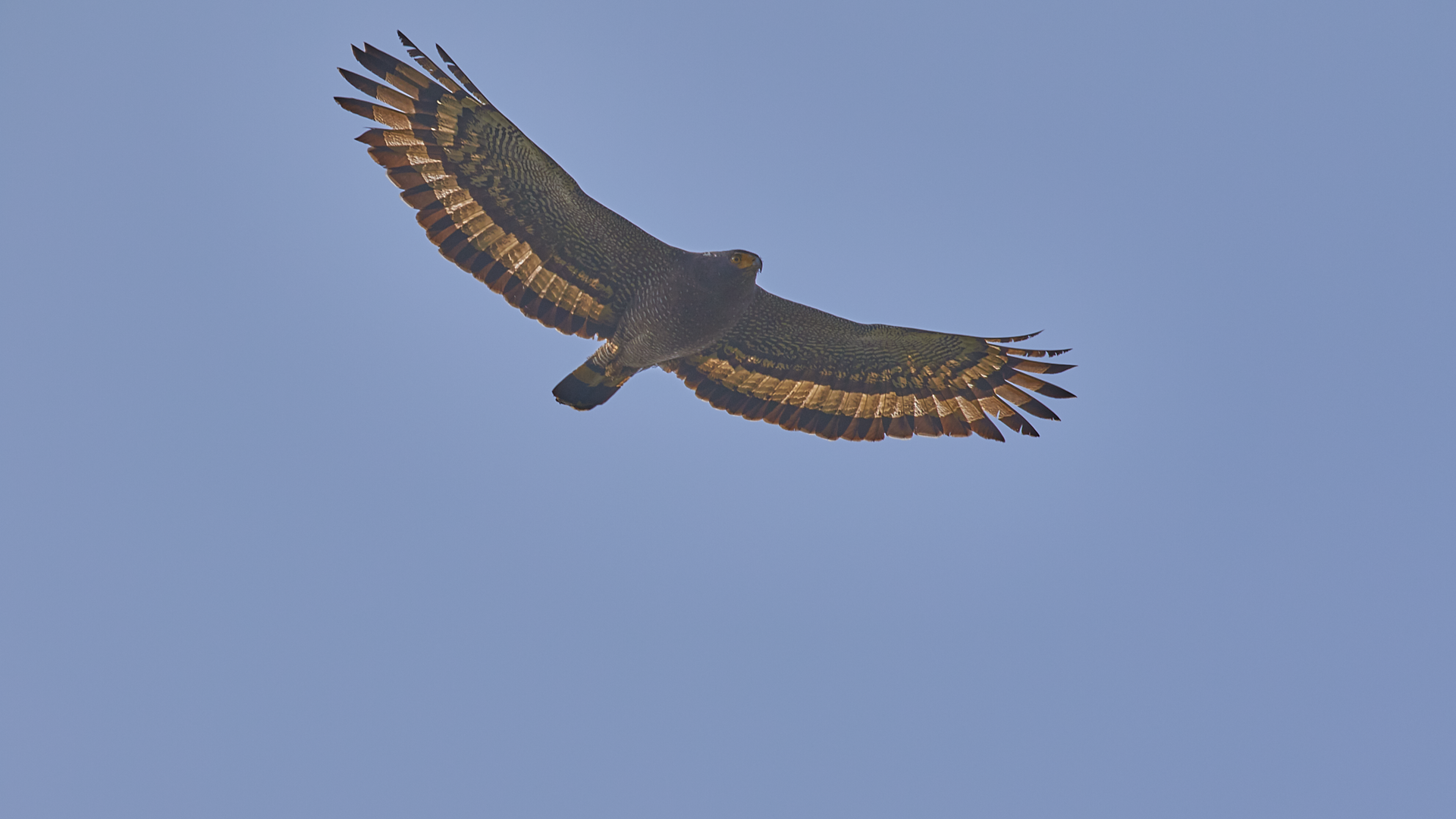
| Crested Serpent Eagle |
Other names: Snake Eagle, Serpent Eagle
Scientific name: Spilornis cheela
Found in mountainous areas at altitudes ranging from 200 to 2000 meters, the Crested Serpent Eagle is more commonly seen in regions below 500 meters and on slopes. It prefers forest gaps in areas with low human population density.
Characteristics: Adult birds have black and white crested feathers on their heads and necks, yellow eyes, and bright yellow irises. Their abdomens and leg feathers are covered with white spots, and when flying, a distinct white band can be seen on the lower edges of their wings and tail.
They feed on mammals and reptiles, with a particular preference for snakes, earning them the nickname Serpent Eagle or Snake Eagle. The Crested Serpent Eagle’s loud "yoo-yoo" call makes it anything but a discreet bird. Its voice is booming, and it continuously calls while soaring in the air. Due to the canyon-like terrain of our farm, the rising thermal air currents often attract the Crested Serpent Eagle. Occasionally, you may even spot a pair flying together.