{{ 'fb_in_app_browser_popup.desc' | translate }} {{ 'fb_in_app_browser_popup.copy_link' | translate }}
{{ 'in_app_browser_popup.desc' | translate }}
| Names |
| Scientific Classification |
| Classification of Taiwan’s Hibiscus Genus |
| Profile |
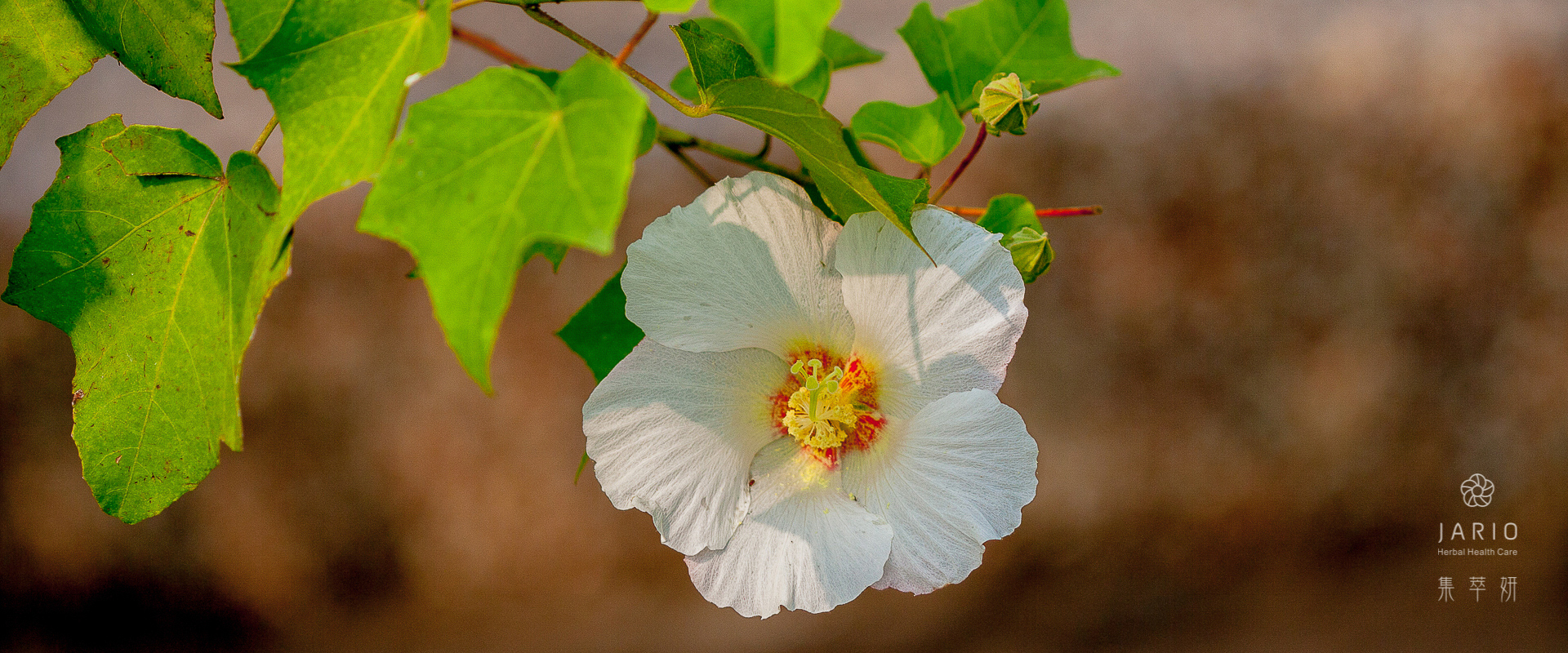
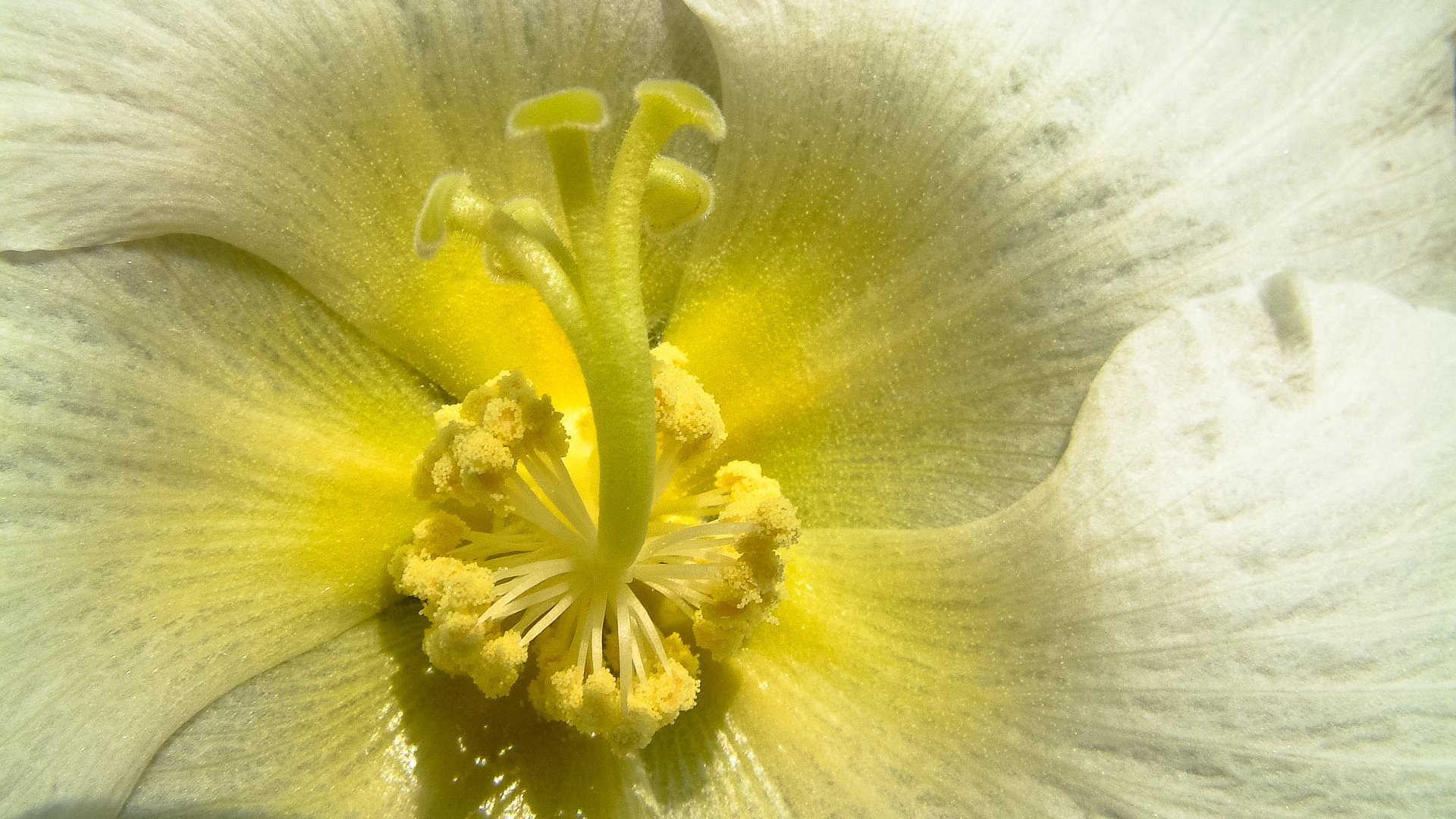
From the scientific name taiwanensis, it is clear that Hibiscus taiwanensis is a species native to Taiwan. It belongs to the Malvaceae family and the Hibiscus genus, and is a distant relative of cotton, with the English name Taiwan cotton. It is a tall shrub, with densely hairy leaves and sepals. The leaves are shallowly lobed and palmate in shape. The flowers are solitary with five petals, and the numerous stamens form a "monadelphous stamen," a characteristic feature of the Malvaceae family.
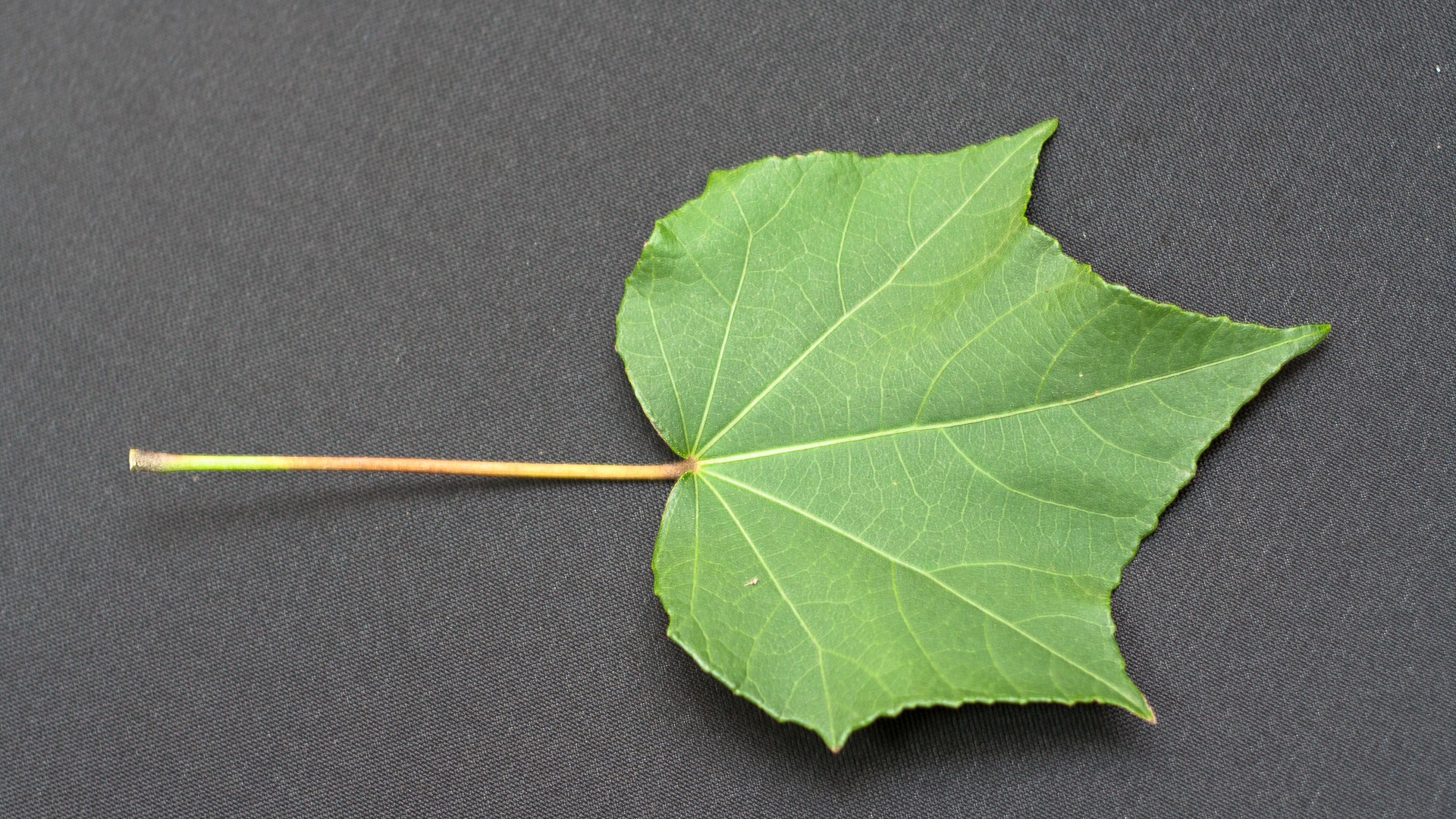
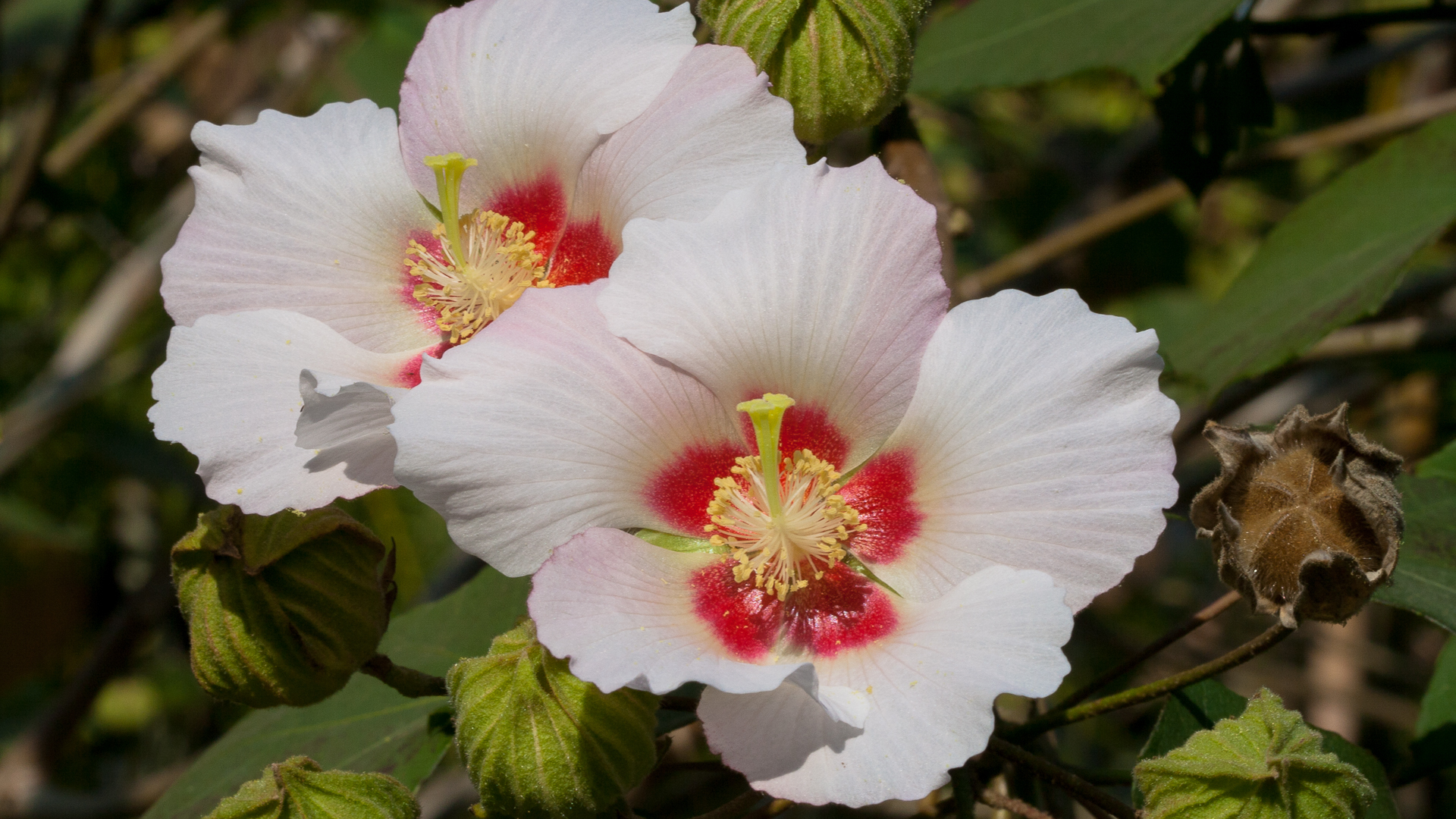
The leaf shape is broadly triangular and heart-shaped. In terms of flower color, Hibiscus taiwanensis blooms white or pink in the morning and turns to purple-red or pink by late afternoon before wilting in the evening—changing color three times in a day. If you see pink flowers in the morning, it may be the closely related Hibiscus mutabilis.
| Hibiscus Flower’s Three Color Changes in a Day |
The flower petals are single-layered. If a plant resembles Hibiscus taiwanensis but has different petals, it is likely a double-petal variety of Hibiscus mutabilis. It is distributed across Taiwan and Lanyu Island in plains and mountainous areas up to 1100 meters in elevation. The plant grows to a height of 2–6 meters and has both ornamental and medicinal value.
With its constantly changing appearance, it has the potential to be developed into a garden ornamental tree. The flowers are edible and can be enjoyed in salads, stir-fries, or deep-fried. The wood is white, light, and soft, and larger trunks can be used to make traditional wooden clogs. The bark contains fibers that were historically used by indigenous people to weave various household items, such as baskets, knife sheaths, and ropes.
Stem:
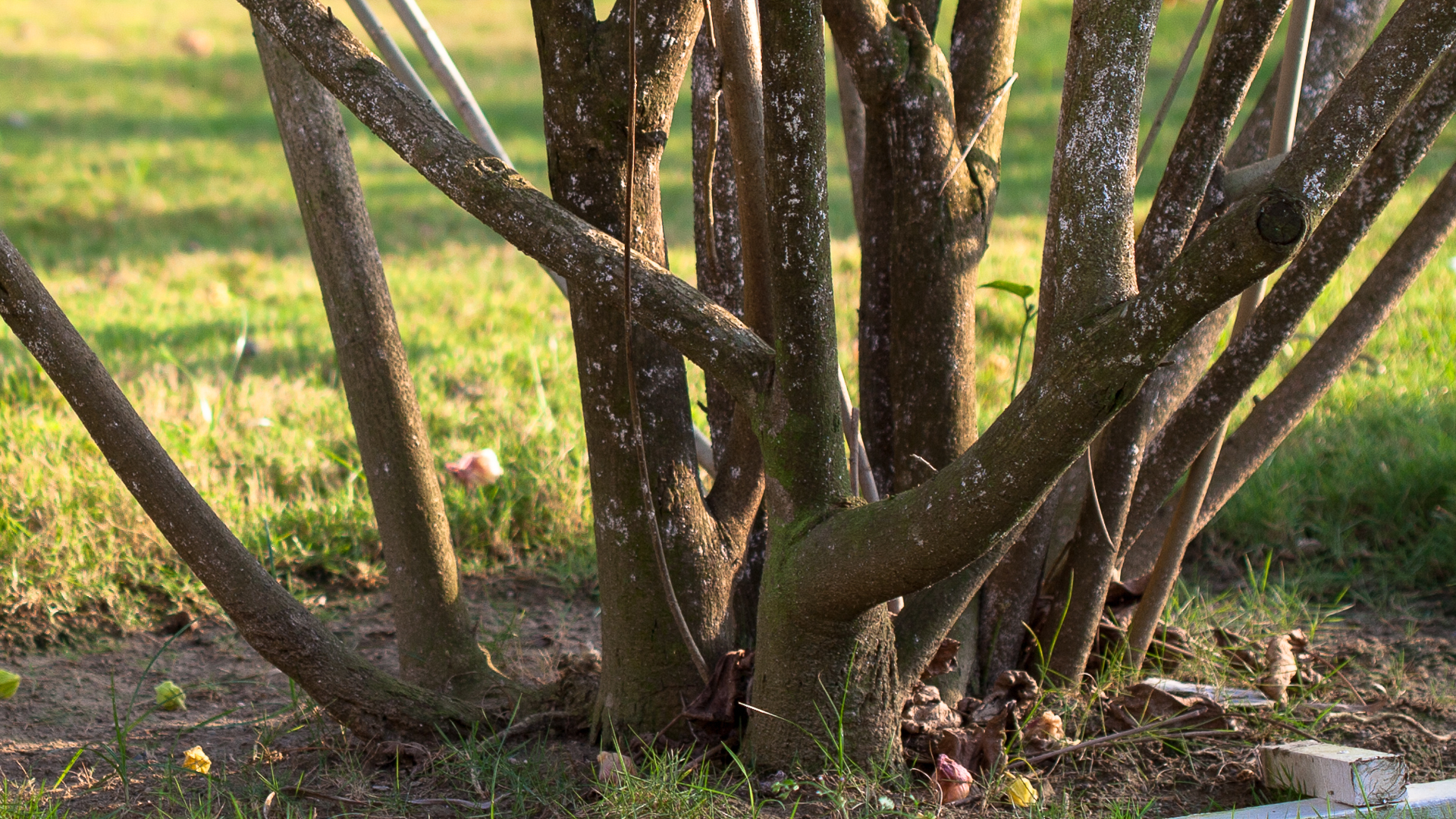
The plant grows to a height of 2–6 meters. The old bark is grayish-white, and when peeled, it reveals green bark underneath. It has many branches, with the young branches growing upright or diagonally, smooth and gray in color.
Leaves:
The leaves have long petioles, are simple, and have a leathery texture with hairs. The serrated edges are sharp, and the base is round or heart-shaped, which is the biggest difference from Hibiscus mutabilis. The leaves are divided into 3–5 triangular lobes with sharp tips and palmate venation. There are 5–9 veins, with a concave surface and convex underside. The upper surface is green, while the underside is light green. The petiole is 12–16 cm long.
Flower (Blooming):
The flowers are large and solitary with long stalks, and the corolla opens in a shallow bell shape. When fully open, the diameter is 9–15 cm. The flowers start out white in the morning, turn slightly pink in the afternoon, and become fully pink by evening—changing color three times in a single day.
Flower Bud:
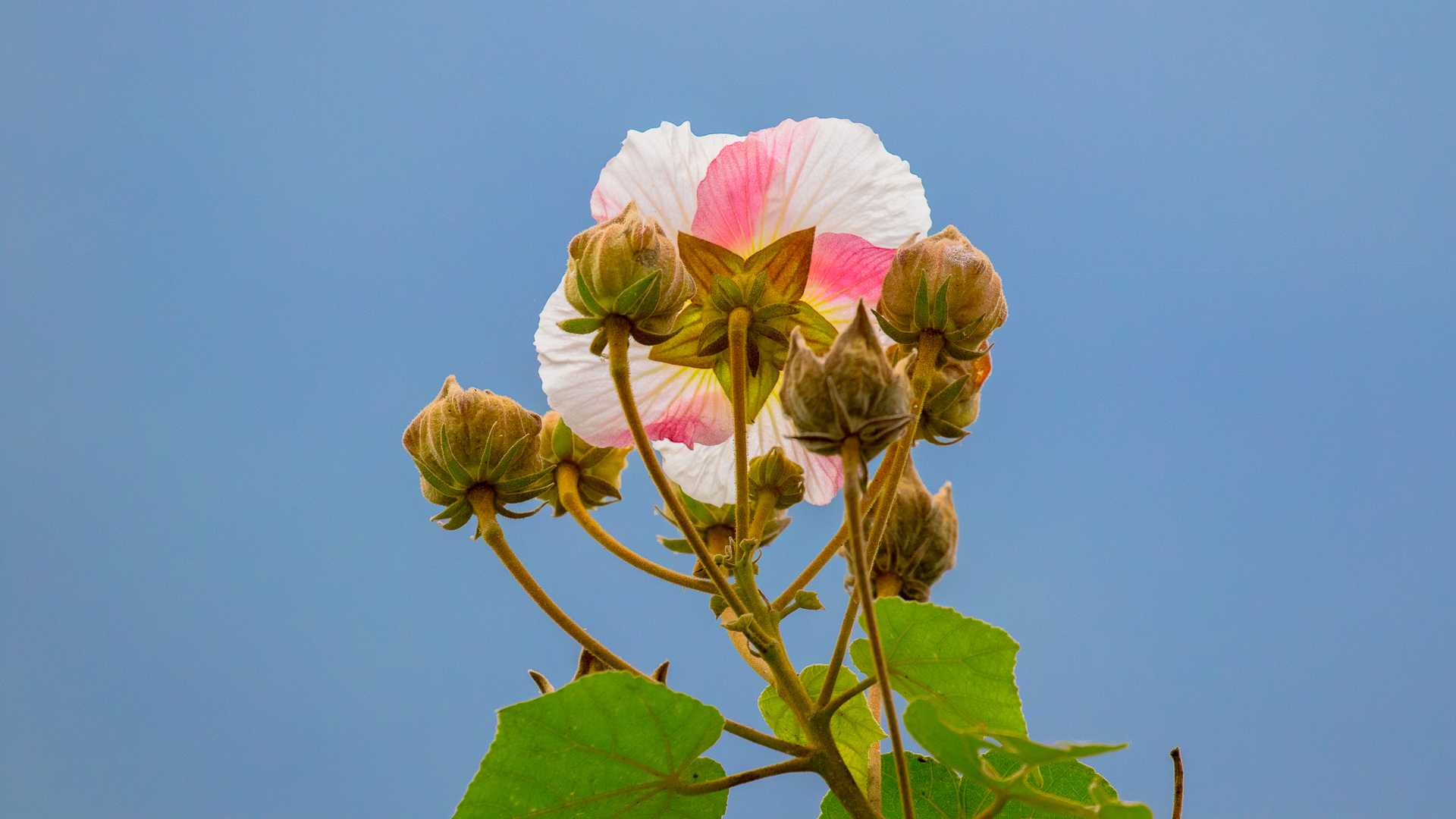
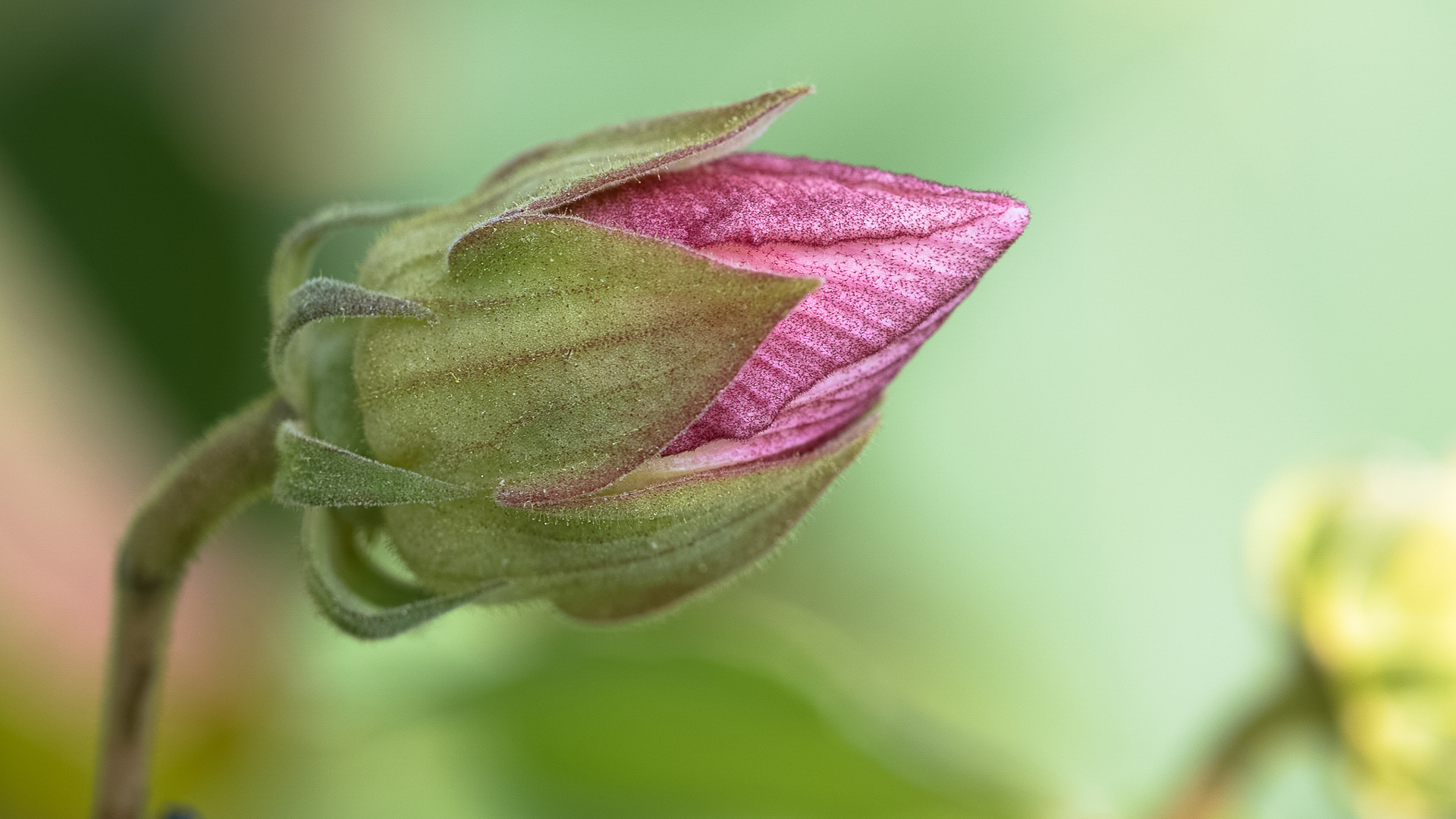
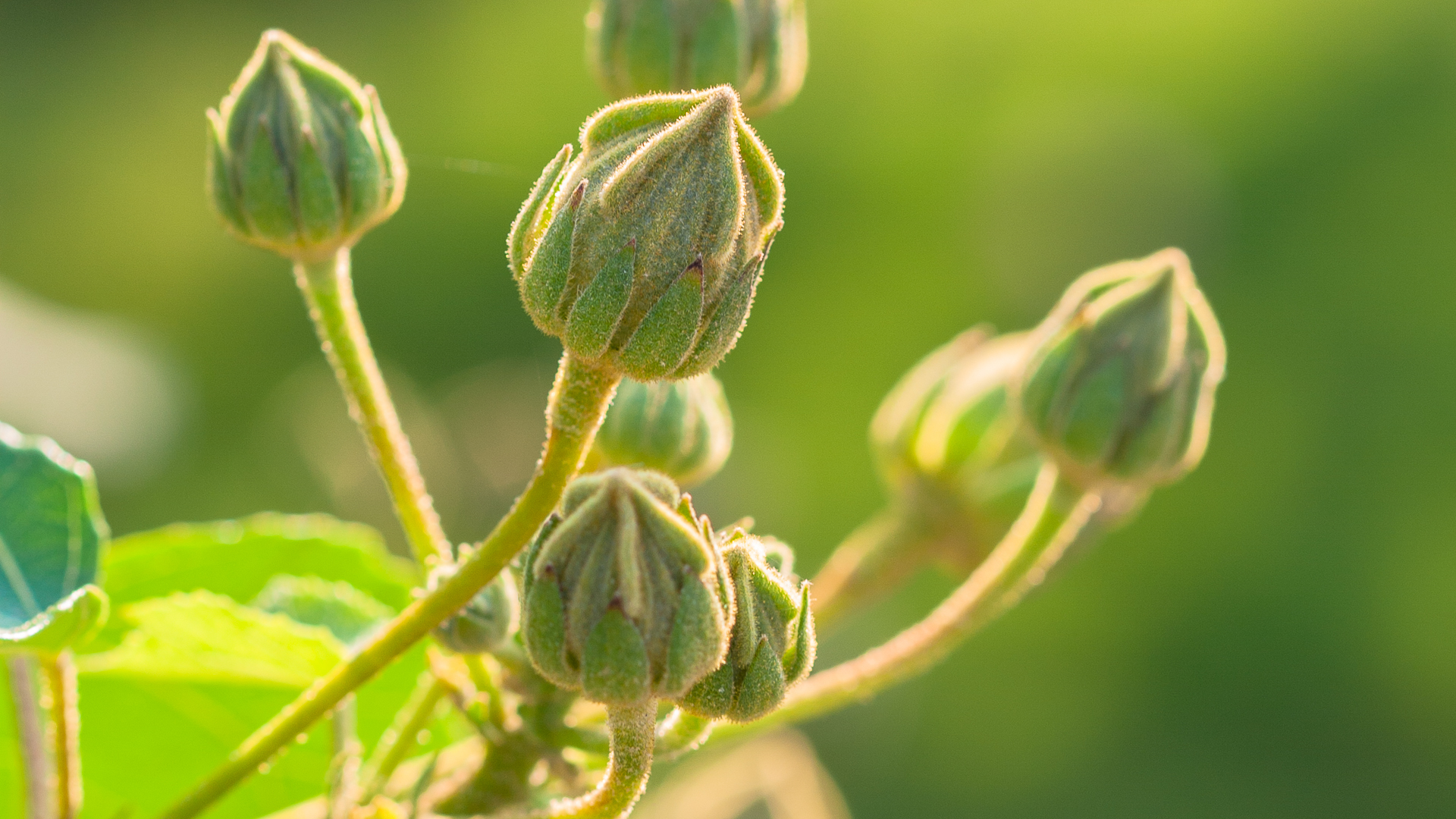
It takes about one week for the flower bud to fully bloom. The shape of the bud resembles a meteor hammer.
Flowers and Fruits:
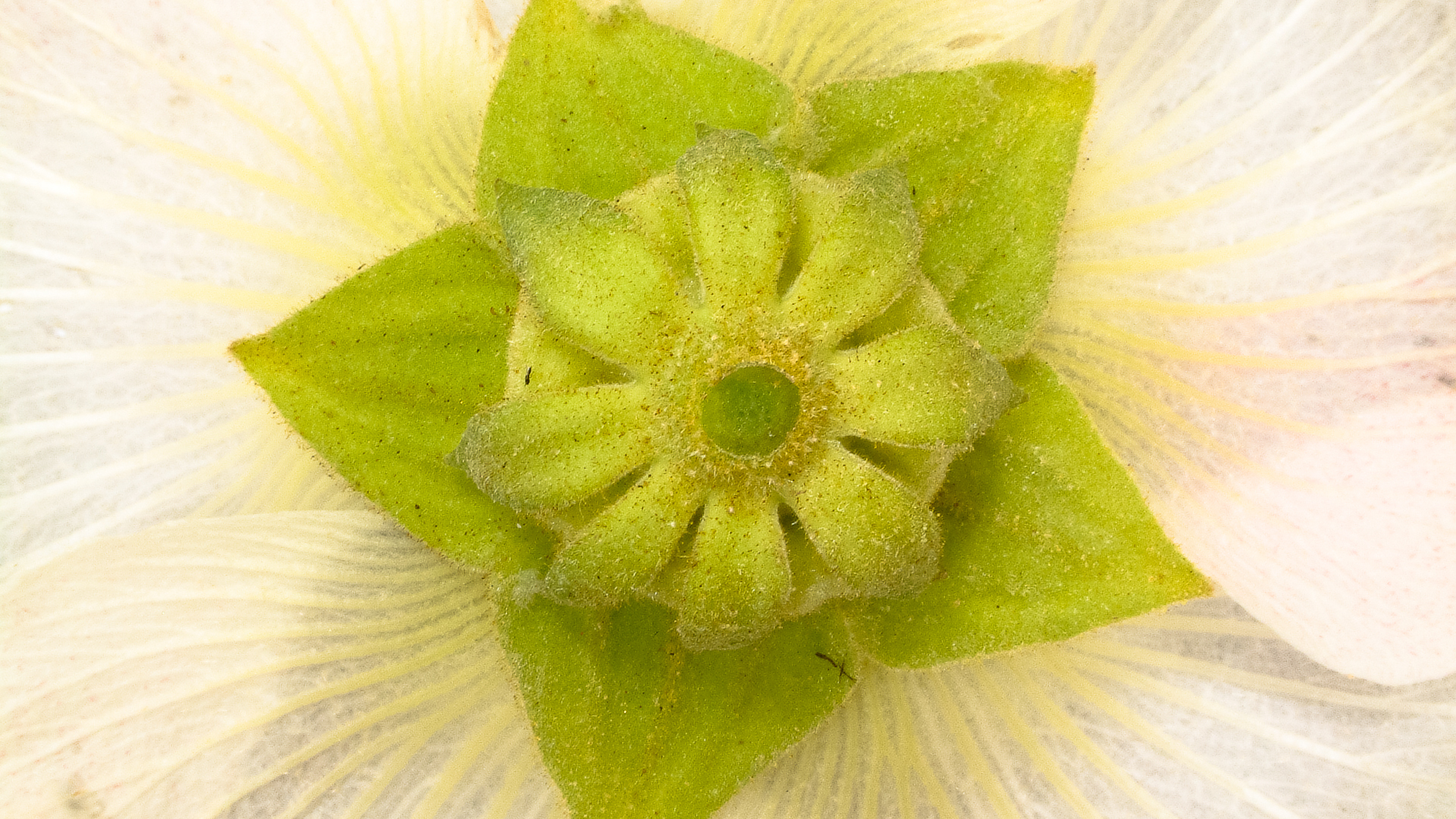
From bud formation to bloom takes about one week, with the buds resembling a meteor hammer. The epicalyx consists of 8 linear, blunt-ended bracts.
Stamens:
Bell-shaped Calyx:
The calyx has 5 triangular lobes with sharp tips and star-shaped hairs. There are 5 petals, ranging from ovate to oblong-elliptic, with blunt tips and wedge-shaped, short-clawed bases.
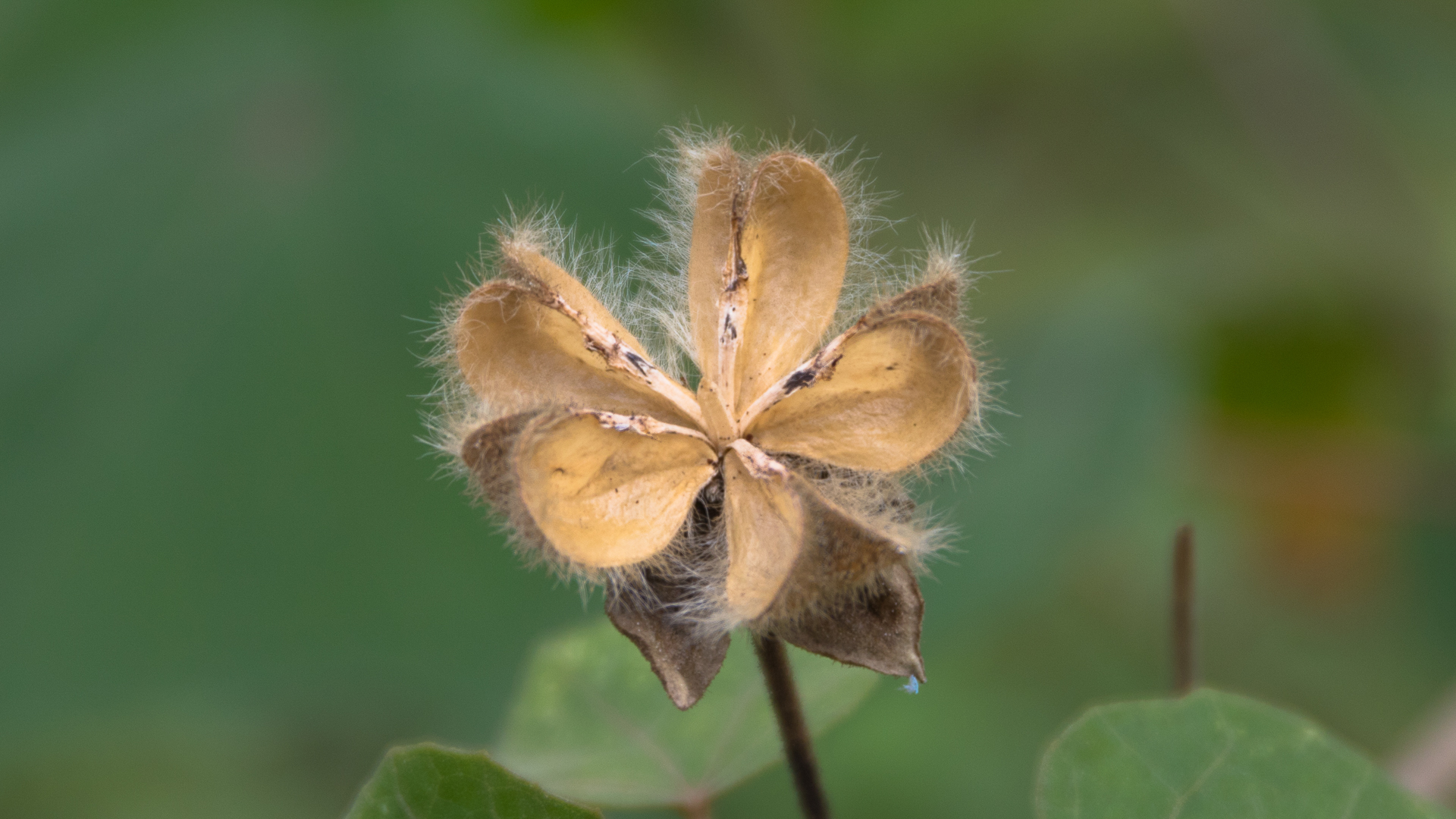
Fruit Capsule:
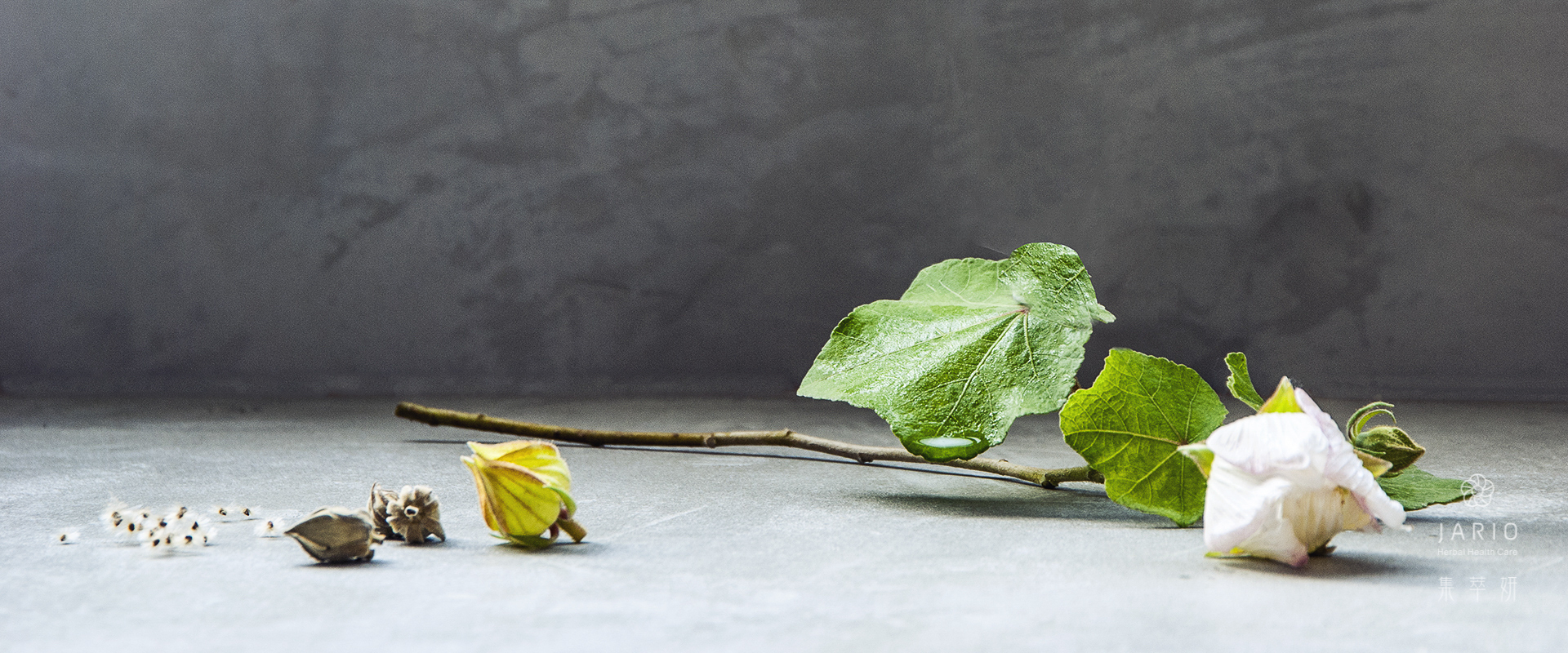
The capsule is spherical, with a diameter of 2–3.5 cm, splitting into 5 sections. It is covered in soft hairs and is light brown, with a smooth front and a black bud scar. The back is densely covered in light brown hairs, about 0.2 cm long.
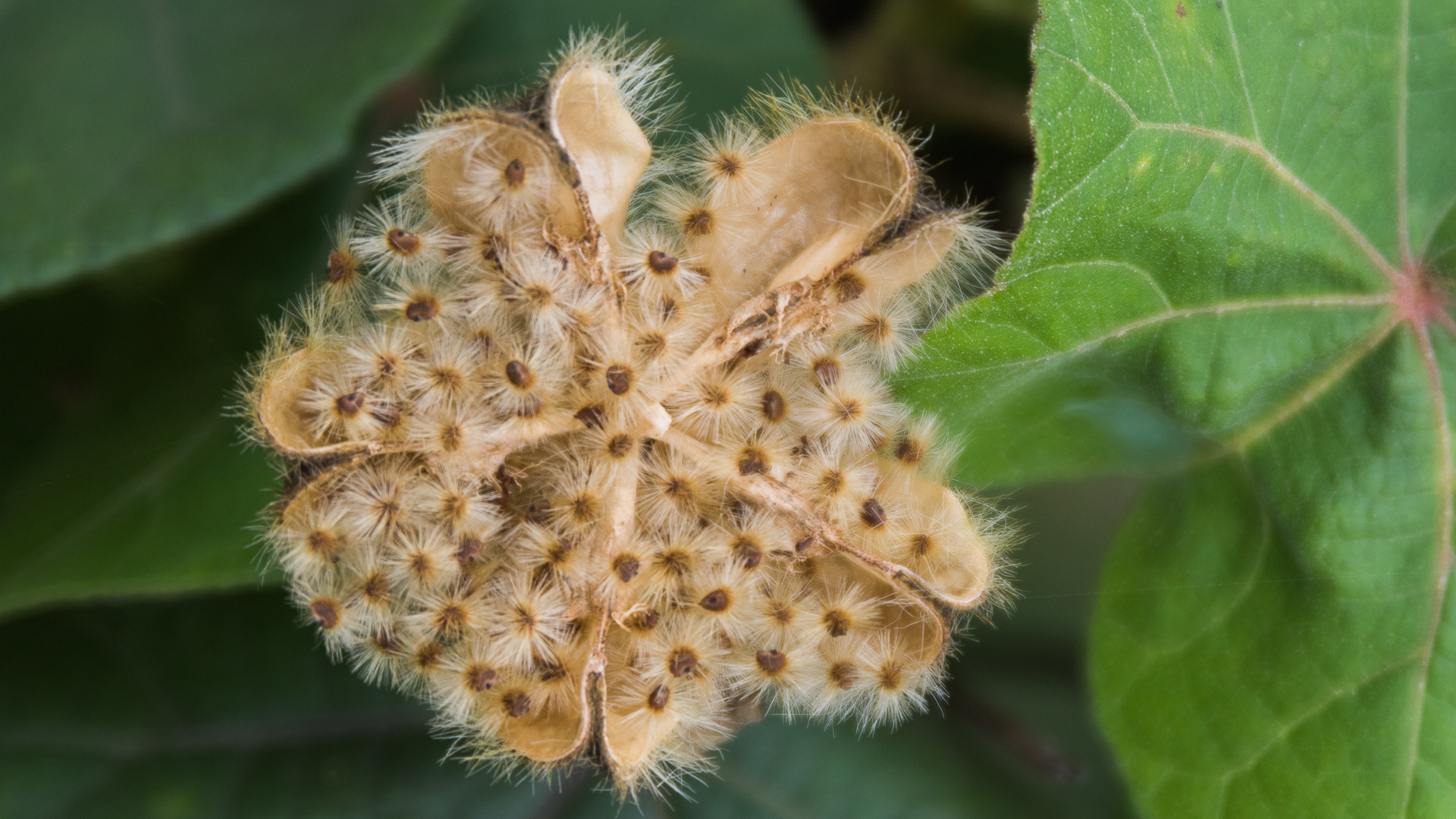
Seeds:
The seeds are about 1–1.5 mm in diameter and are covered in fine hairs.
Indigenous Wisdom in Daily Life
Because Hibiscus taiwanensis is so deeply woven into the lives of Taiwan’s Indigenous peoples—especially the Tsou tribe of Alishan—it holds both cultural and symbolic meaning.
When a typhoon damaged sections of the Alishan Highway, the newly rebuilt bridge was named “Fukuo” Bridge, after the Tsou word for Hibiscus taiwanensis, honoring the sacred connection between the land, the plant, and the people.
The Foundation of HERCET Biotech
During the development of our farm, we connected with Indigenous friends and learned that different tribes use Hibiscus taiwanensis differently as herbal medicine.
HERCET Biotech's research found that Indigenous peoples often use it as a single herb, while Grandpa Wu Jin-Wang's herbal formulas inspired complex blends.
This shows how humans adapt local resources for health wisdom. Despite limited past interaction between Indigenous and lowland communities, both shared similar knowledge about Hibiscus taiwanensis, which became the foundation of our company.